
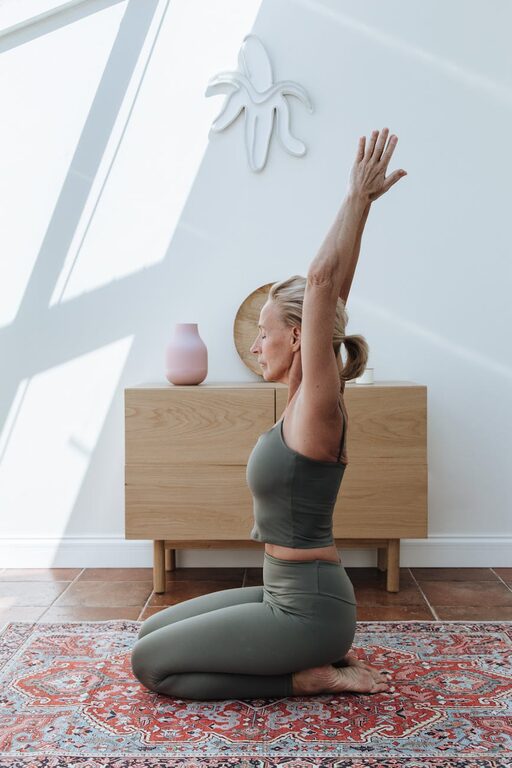
Stretching is a simple yet powerful way to improve your flexibility, reduce muscle tension, and enhance your overall physical health. Whether you’re new to exercise or just looking for a way to unwind after a long day, stretching at home can be a convenient and enjoyable routine. This beginner’s guide will help you understand the basics of stretching, provide easy exercises to get started, and offer tips for making stretching a regular habit.
Why Stretching Matters
Stretching is often overlooked, but it plays a vital role in maintaining a healthy body. Here’s why it’s important:
– Improves flexibility: Regular stretching can increase your range of motion, making daily activities easier.
– Reduces muscle tension: Stretching helps release tightness in muscles that accumulate from sitting or repetitive movements.
– Enhances posture: Stretching key muscle groups can support better alignment and reduce discomfort.
– Prevents injuries: Flexible muscles and joints are less prone to strains or sprains.
– Promotes relaxation: Stretching encourages blood flow and releases endorphins, helping reduce stress.
Getting Ready to Stretch at Home
You don’t need any special equipment to start stretching at home. Here are a few tips to prepare:
– Find a comfortable space: Choose a quiet area with enough room to move freely.
– Wear comfortable clothing: Loose-fitting clothes allow better movement.
– Use a mat or towel: This will provide cushioning especially when stretching on hard floors.
– Set aside time: Aim for 10 to 20 minutes per session to get the most benefit.
– Warm up: Spend a few minutes doing light activity like walking or marching in place before stretching to warm your muscles.
Basic Stretching Guidelines
To stretch safely and effectively, keep these pointers in mind:
– Stretch slowly and gently: Avoid bouncing or forcing a stretch.
– Hold each stretch for 15-30 seconds: This gives your muscles time to relax and lengthen.
– Breathe deeply: Inhale and exhale evenly during each stretch.
– Listen to your body: Stretch to the point of mild tension but never pain.
– Stretch both sides equally: Balance is key for flexibility and posture.
Easy Stretches to Start at Home
Here are some beginner-friendly stretches that target common areas of tightness.
1. Neck Stretch
– Sit or stand tall.
– Slowly tilt your head toward your right shoulder until you feel a stretch along the left side of your neck.
– Hold for 20 seconds and switch sides.
2. Shoulder Rolls
– Stand with arms at your sides.
– Lift your shoulders up toward your ears, roll them back, and then down.
– Repeat 10 times, then reverse the direction.
3. Chest Stretch
– Stand in a doorway with arms bent at 90 degrees and hands resting on the doorframe.
– Step forward slightly, feeling a stretch across your chest.
– Hold for 30 seconds.
4. Seated Forward Bend
– Sit on the floor with legs extended in front of you.
– Inhale as you lengthen your spine, exhale and gently reach toward your toes.
– Keep your back straight and only reach as far as comfortable.
– Hold for 20-30 seconds.
5. Cat-Cow Stretch
– Begin on hands and knees in a tabletop position.
– Inhale, arch your back, lifting your head and tailbone (Cow pose).
– Exhale, round your spine, tucking your chin to your chest (Cat pose).
– Repeat for 10 cycles.
6. Standing Quadriceps Stretch
– Stand tall and hold onto a chair or wall for balance if needed.
– Bend your right knee, bringing your heel toward your buttocks.
– Grasp your ankle with your right hand and gently pull your heel closer.
– Hold for 20 seconds and switch legs.
7. Calf Stretch
– Stand facing a wall, placing both hands on it at shoulder height.
– Step one foot back, keeping it flat on the ground.
– Lean forward, bending the front knee until you feel a stretch in the back calf.
– Hold for 30 seconds, then switch sides.
Tips to Make Stretching a Habit
Consistency is key to gaining benefits from stretching. Here are some ideas to help you stick with it:
– Schedule stretch breaks: Set reminders or stretch during TV commercials.
– Combine with activities: Stretch after workouts, yoga, or even chores.
– Use guided videos: Follow beginner-friendly stretching routines online.
– Track progress: Note improvements in flexibility or reduced muscle tightness.
– Stay patient: Gains in flexibility take time, so be kind to your body.
When to Be Cautious
While stretching is generally safe, certain situations call for extra care:
– Avoid stretching if you have sudden or severe pain.
– Consult a healthcare professional if you have injuries, conditions like arthritis, or other health concerns before beginning a new routine.
– Modify stretches as needed to avoid discomfort.
Conclusion
Stretching at home is a simple, effective way to support your physical health and mental well-being. With just a few minutes a day and these beginner-friendly tips, you can gradually improve your flexibility, reduce muscle tension, and feel more relaxed. Start slow, listen to your body, and make stretching a regular part of your daily self-care routine. Your body will thank you!
—
Ready to get started? Try this easy stretching sequence today and feel the difference!
