
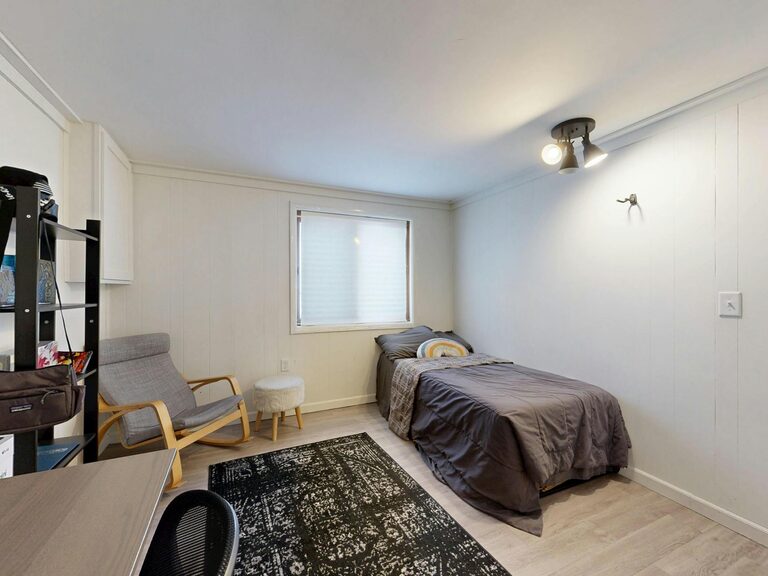
Creating a calm and quiet home environment can significantly improve your comfort and well-being. Whether you live in a busy urban area, have noisy neighbors, or just want a more peaceful living space, reducing noise at home is achievable with simple and practical steps. In this post, we’ll explore various ways to minimize sound, helping you enjoy a quieter, more serene home.
Why Reduce Noise at Home?
Excess noise can lead to stress, difficulty concentrating, and trouble sleeping. By addressing common sources of noise and managing sound within your space, you can enhance your quality of life. Fortunately, you don’t need a complete home renovation to start hearing the benefits—small changes can make a big difference.
Identify Major Noise Sources
Before making changes, it’s helpful to pinpoint where the noise is coming from. Common noise sources include:
– Traffic and street noise
– Noisy neighbors or shared walls
– Appliances and electronics
– Pets
– Outdoor activities like lawn mowing or playtime
Once you know the sources, you can select the most effective noise reduction methods.
Simple Ways to Reduce Noise at Home
1. Use Heavy Curtains or Drapes
Windows often let in unwanted noise from the outdoors. Installing thick, heavy curtains can help absorb sound and block noise from traffic or neighbors. Look for curtains made of dense fabrics like velvet or specialized soundproofing materials.
2. Add Rugs and Carpets
Hard floors reflect sound and can amplify noise. Covering floors with rugs or carpets helps dampen sound, reducing overall noise levels in your rooms. Opt for thicker rugs with a good underlay for better noise absorption.
3. Rearrange Furniture Strategically
Placing larger furniture such as bookshelves, sofas, or cabinets along shared walls or near noise sources can help block and absorb sound. Filled bookshelves, in particular, serve as excellent natural sound barriers.
4. Seal Gaps and Cracks
Noisy air can sneak in through gaps around windows, doors, and walls. Use weather stripping or sealant to close these gaps. Door sweeps can also reduce noise from hallways or common areas.
5. Use Soft Furnishings and Textiles
Incorporate cushions, throw blankets, and fabric wall hangings to absorb sound. These materials reduce echo and help create a quieter indoor environment.
6. Install Acoustic Panels or Foam
For more targeted soundproofing, consider mounting acoustic panels or foam on the walls. These products are designed to absorb sound waves and reduce reverberation, making them popular for home offices, media rooms, or bedrooms.
7. Manage Appliance Noise
Some appliances like washing machines, dishwashers, or refrigerators can be loud. Maintain them properly to minimize noise, and if possible, place noisy appliances on vibration-absorbing pads or move them to less frequented rooms.
8. Use White Noise Machines or Fans
White noise machines can mask sudden noises by creating a steady and soothing background sound. Fans or humidifiers can sometimes serve a similar purpose by masking distracting sounds.
Tips for Specific Rooms
Bedrooms
– Use blackout curtains to block external noise and light.
– Add extra layers of bedding and plush rugs for comfort and noise absorption.
– Place a white noise machine for better sleep.
Living Rooms
– Arrange bookshelves or plants near windows and walls facing busy streets.
– Choose fabric-covered furniture and add cushions.
– Consider a wall-mounted acoustic panel if you watch TV or use speakers frequently.
Home Offices
– Position your desk away from windows or shared walls.
– Use portable acoustic panels or foam if noise affects your concentration.
– Experiment with noise-cancelling headphones when necessary.
Outdoor Noise Reduction
If noise comes from outside your home, here are some simple ways to reduce its impact:
– Plant hedges, shrubs, or trees near your windows or fences; vegetation naturally blocks sound.
– Use outdoor water features like fountains to create pleasant background noise.
– Install fence panels or noise barriers designed to reduce sound.
Final Thoughts
Reducing noise at home doesn’t have to be complicated or costly. With a combination of thoughtful planning, simple DIY projects, and creative use of furniture and textiles, you can significantly improve your home’s tranquility. Start with one or two of these ideas and enjoy the peaceful atmosphere that follows.
Remember, a quieter home means a happier, more relaxed you!
